
Which waterproofing is best for basement?
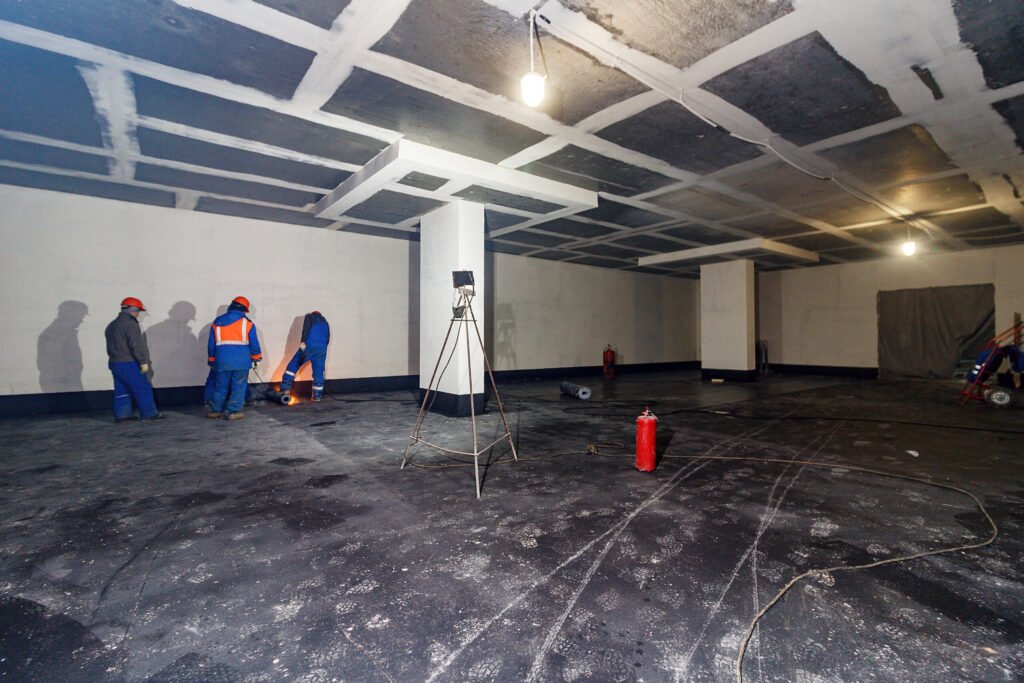
Maintaining a dry, well-protected basement is crucial for the structural integrity and overall health of your home. Whether you’re dealing with persistent moisture issues, recurring leaks, or concerns about potential water damage, finding the right waterproofing solution can be a daunting task. In this article, we’ll dive into the various basement waterproofing methods, their pros and cons, and help you determine the best approach for your unique situation. Causes of Basement Water Intrusion Before we delve into the waterproofing solutions, it’s essential to understand the common causes of basement water issues. Concrete, the primary material used in basement construction, is inherently porous and susceptible to moisture infiltration. Hairline cracks, capillary tracts, and other tiny imperfections in the concrete can allow water to seep in, leading to a host of problems, including mold growth, structural damage, and even the potential for radon gas passage. Factors such as the location of your home, the type of foundation, and the surrounding landscape can also contribute to basement water problems. Improper grading, clogged gutters, and inadequate drainage systems can all channel water towards the foundation, exacerbating the issue. Three Major Approaches to Basement Waterproofing When it comes to waterproofing your basement, you have three primary options to consider: sealants and epoxy injections, interior drainage systems, and exterior waterproofing. Each approach has its unique advantages and drawbacks, and the best solution for your home will depend on the specific nature of your water problem and your budget. 1. Sealants and Epoxy Injections Sealants and epoxy injections are often considered a quick fix for minor moisture issues. These masonry waterproofing products are applied directly to the basement walls, creating a barrier to prevent water from seeping in. While they can be a cost-effective solution, they are not a long-term fix and may not address the root cause of the problem. One of the key advantages of sealants and epoxy injections is their relative ease of application, making them a potential DIY option for some homeowners. However, these methods are not without their limitations. Sealants should not be applied over painted walls or efflorescence (white mineral deposits on concrete), and epoxy injections can be prone to cracking as the foundation walls expand and contract. 2. Interior Drainage Systems Waterproofing a basement from the inside is often considered the most practical and cost-effective approach for many homeowners. An interior drainage system, commonly referred to as a French drain, involves digging a trench along the interior perimeter of the basement floor and installing a drain and sump pump to channel water out of the basement. 3. Exterior Waterproofing Waterproofing a foundation from the outside typically involves using polymers and membranes to coat the exterior of the walls, installing a trench drain underground, or a combination of both methods. When executed properly, exterior drainage can effectively waterproof a basement, but it comes with its own set of trade-offs. The primary disadvantages of exterior waterproofing are the high cost and the increased likelihood of clogging. Excavation is an expensive and disruptive process, and exterior drains are prone to becoming clogged, which can result in a flooded basement if not properly maintained. Choosing the Best Waterproofing System for Your Basement Determining the best waterproofing solution for your basement ultimately comes down to two key factors: the source of the water problem and your available budget. If the issue is relatively minor, some homeowners may opt for a temporary fix, such as sealants or epoxy injections. However, these methods often prove to be a short-term solution, and homeowners frequently end up needing to install a more comprehensive drainage system to effectively address the problem. On the other hand, if flooding is a persistent concern in your area or you have a consistently wet basement, a more robust waterproofing system, such as an interior drainage system or a combination of interior and exterior methods, may be the best long-term solution. Advantage of Choosing Great West Ent. for your next Waterproofing Services At Great West Ent., we understand that every basement is unique, and a one-size-fits-all approach simply won’t do. Our team of experienced waterproofing professionals is dedicated to providing tailored solutions that address the specific needs of your home. Whether you’re dealing with persistent moisture, recurring leaks, or concerns about potential water damage, our experts will work closely with you to diagnose the root cause of the problem and design a long-term waterproofing solution that meets your needs and budget. Conclusion Maintaining a dry, well-protected basement is essential for the overall health and structural integrity of your home. By understanding the various waterproofing methods available and working with a trusted waterproofing company like Great West Ent., you can unlock the dry, healthy basement of your dreams and enjoy peace of mind for years to come. Don’t let a wet basement hold you back. Contact the waterproofing experts at Great West Ent. today and take the first step towards a dry, secure, and worry-free basement. Frequently Asked Questions 1) What are the best basement waterproofing products? The best basement waterproofing products include sealants, epoxy, sump pumps, and dehumidifiers. For more comprehensive waterproofing, consider getting a contractor to install interior or exterior drain tiles, as well as gutters and French drains outside. 2) How do you completely waterproof a basement? To completely waterproof a basement, you need to address all areas contributing to moisture problems. This includes sealing walls and the foundation, diverting water away from the home using drains and gutters (both inside and out), and installing a sump pump to pump out any water that does enter the basement. 3) Is Drylok a bad idea? Drylok can be a bad idea if it’s the only waterproofing solution you rely on. While a sealant like Drylok can prevent water damage and mildew growth on the protected surfaces, it doesn’t address the root cause of the moisture issues. Drylok should be just one part of a larger plan to avoid basement water problems. 4) Should I waterproof my basement from the inside or outside? The
What is the latest waterproofing technique?
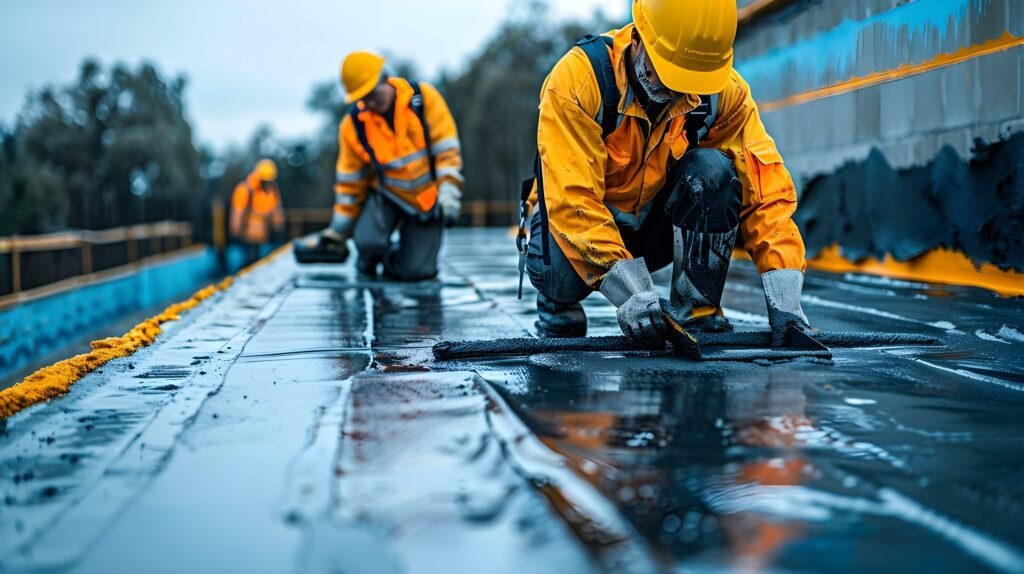
Waterproofing is a critical aspect of building construction, responsible for protecting structures from the devastating effects of water infiltration. As the industry evolves, homeowners and contractors alike are seeking the most advanced waterproofing techniques to ensure the longevity and integrity of their projects. In this article, we will learn about the latest waterproofing innovations, exploring the benefits, applications, and best practices for each method. 6 latest waterproofing technique 1. Cementitious Waterproofing Cementitious waterproofing is a popular choice for its ease of application and widespread availability. This method involves applying a cement-based coating or slurry to the surface of the foundation or structure, creating a waterproof barrier. The versatility of cementitious waterproofing makes it a go-to solution for a variety of applications, including basements, foundations, and even water treatment facilities. Advantages of Cementitious Waterproofing Cost-Effective: The materials used in cementitious waterproofing are relatively inexpensive, making it a budget-friendly option. Easy Application: Cementitious waterproofing can be applied using a roller or brush, simplifying the installation process. Proven Effectiveness: This method has a long history of successfully preventing water infiltration in various construction projects. Applications of Cementitious Waterproofing Foundations and Basements: Cementitious waterproofing is commonly used to protect below-grade structures from groundwater and moisture. Bridges, Dams, and Tunnels: The cementitious method is also employed in the waterproofing of decks, bridges, dams, and tunnels, where a high level of protection is required. Sewage and Water Treatment Plants: Cementitious waterproofing is an ideal solution for waterproofing critical infrastructure like sewage and water treatment facilities. 2. Liquid Waterproofing Membranes Liquid waterproofing membranes offer a versatile and adaptable solution for waterproofing various surfaces. These coatings, typically made of rubber or plastic, are applied to the surface using a roller or brush, creating a seamless and flexible barrier against water infiltration. Benefits of Liquid Waterproofing Membranes Cost-Effectiveness: Liquid waterproofing membranes are generally more cost-effective compared to some other waterproofing methods. High Performance: These membranes provide excellent water resistance and can accommodate structural movements. Ease of Application: Liquid waterproofing membranes are easy to apply, making them a convenient choice for a range of projects. Applications of Liquid Waterproofing Membranes Foundations and Basements: Liquid membranes are commonly used to waterproof below-grade structures, such as foundations and basements. Decks and Balconies: These flexible coatings are well-suited for waterproofing elevated structures like decks and balconies. Roofs: Liquid waterproofing membranes can also be used to protect flat roof areas exposed to weather. 3. Bituminous Coatings Bituminous coatings, a mixture of bitumen (a type of asphalt) and a filler material, offer a robust and long-lasting waterproofing solution. These coatings are applied to surfaces using a roller or brush, creating a waterproof barrier that is resistant to various environmental factors. Characteristics of Bituminous Coatings Adhesive Properties: Bituminous coatings exhibit excellent adhesive qualities, allowing them to bond securely to the surface. Corrosion Resistance: These coatings are highly resistant to corrosion, making them suitable for a wide range of applications. Durability: Bituminous coatings are known for their strength, waterproofing capabilities, and overall longevity. Economic Viability: Bituminous coatings are a cost-effective waterproofing solution. Applications of Bituminous Coatings Roofs: Bituminous coatings are commonly used to waterproof roofs, providing a durable and weather-resistant barrier. Foundations and Decks: These coatings can also be applied to foundations, decks, and other below-grade structures to prevent water infiltration. Existing Surfaces: Bituminous coatings can be used to waterproof both new and existing surfaces, making them a versatile option. 4. Bituminous Membranes Bituminous membranes, composed of bitumen and a reinforcement layer, offer a more advanced waterproofing solution compared to bituminous coatings. These membranes are applied to surfaces using heat or a solvent, creating a durable and flexible barrier against water penetration. Features of Bituminous Membranes Puncture and Fatigue Resistance: Bituminous membranes exhibit exceptional resistance to punctures and fatigue, ensuring long-lasting protection. Dimensional Stability: These membranes maintain their dimensional stability under tension, providing reliable performance. Chemical Resistance: Bituminous membranes are highly resistant to a wide range of chemicals, making them suitable for various applications. Flexibility: The flexible nature of these membranes allows them to accommodate structural movements without compromising their waterproofing capabilities. Applications of Bituminous Membranes Roofing: Bituminous membranes are a popular choice for waterproofing low-sloped roofs due to their proven performance. Foundations and Below-Grade Structures: These membranes can be used to waterproof foundations, tunnels, and other below-grade structures. Elevated Structures: Bituminous membranes are also suitable for waterproofing elevated structures like parking decks and plaza decks. 5. Polyurethane Liquid Membranes Polyurethane liquid membranes represent a specialized waterproofing solution, particularly suited for flat roof areas exposed to weather. These liquid-applied coatings offer enhanced flexibility and adaptability, making them a valuable option in certain waterproofing applications. Benefits of Polyurethane Liquid Membranes Flexibility: Polyurethane liquid membranes provide greater flexibility compared to some other waterproofing methods. Versatility: These membranes can be used on a variety of surfaces, including balconies, terraces, roofs, and damp walls. Seamless Application: Polyurethane liquid membranes create a seamless, continuous barrier, reducing the risk of leaks and water infiltration. Considerations for Polyurethane Liquid Membranes Moisture Sensitivity: Polyurethane is highly sensitive to moisture content, requiring careful evaluation of the substrate before application to prevent issues like peeling or debonding. Cost: Polyurethane liquid membranes are generally more expensive than some other waterproofing options. 6. Rubberized Asphalt Rubberized asphalt waterproofing is a method that combines asphalt and recycled rubber, typically from tires, to create a flexible and durable waterproof membrane. This innovative approach not only provides effective waterproofing but also promotes sustainable construction practices. Characteristics of Rubberized Asphalt Waterproofing Durability: The combination of asphalt and rubber results in a highly durable and flexible waterproofing membrane. Flexibility: Rubberized asphalt waterproofing is able to accommodate movement and expansion, making it suitable for surfaces that may experience structural changes. Environmental Benefits: The use of recycled tires in the rubberized asphalt helps to promote sustainable construction and reduce waste. Applications of Rubberized Asphalt Waterproofing Roofing: Rubberized asphalt waterproofing can be used to protect roofs, providing a long-lasting and weather-resistant barrier. Foundation Waterproofing: This method is also employed in the waterproofing of foundations and other
What is the most affordable type of roofing?
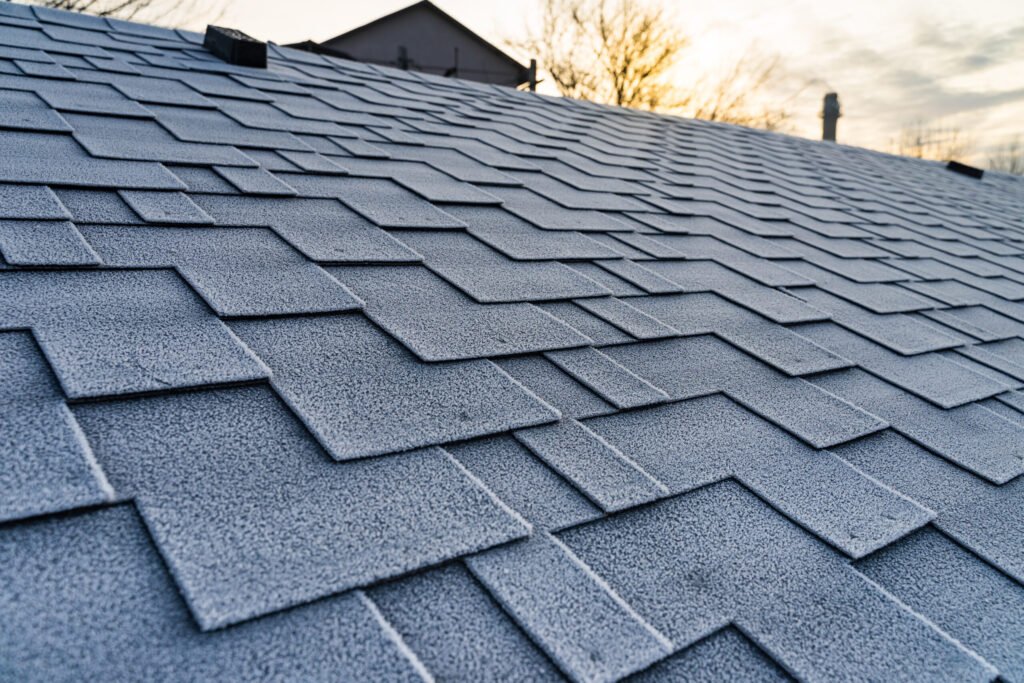
Introduction When it comes to home improvement projects, a new roof is often one of the biggest investments a homeowner can make. With so many roofing materials and options available, it can be overwhelming to determine the most affordable choice without compromising quality. As a leading roofing company in Langley, BC, Great West Ent. is committed to providing homeowners with unbiased and transparent information to help them make informed decisions about their roofing needs. In this article, we’ll explore the most affordable roofing material on the market and dive into the key considerations every homeowner should know. Whether you’re a first-time homebuyer or a seasoned property owner, this guide will equip you with the knowledge to choose the right roofing solution that fits your budget and long-term goals. The Most Affordable Roofing Material When it comes to finding the most affordable roofing material, asphalt shingles stand out as the clear frontrunner. As the most widely used roofing option in the residential market, asphalt shingles offer a combination of cost-effectiveness, durability, and versatility that make them a popular choice for homeowners. The Three Types of Asphalt Shingles Asphalt shingles can be further categorized into three distinct types, each with its own unique characteristics and price points: Factors to Consider When Choosing Asphalt Shingles When selecting the most affordable roofing option for your home, there are several key factors to consider beyond just the initial cost: Lifespan and Warranties The lifespan of an asphalt shingle roof can vary significantly depending on the specific type of shingle. 3-tab shingles typically have a manufacturer-stated lifespan of 25 years, while architectural and luxury shingles can last up to 30 years. However, it’s important to note that these lifespans are often based on ideal conditions, and homeowners can realistically expect to get 80-85% of the stated lifespan. Attic Ventilation and Proper Installation Proper attic ventilation and professional installation are essential for maximizing the lifespan of an asphalt shingle roof. Inadequate ventilation can lead to premature deterioration of the shingles, while improper installation can void the manufacturer’s warranty. Investing in a reputable roofing contractor is crucial to ensure your asphalt shingle roof is installed correctly and performs optimally. Maintenance and Upkeep Asphalt shingle roofs require regular maintenance to maintain their integrity and extend their lifespan. This includes annual inspections, clearing debris from the roof and gutters, and addressing any minor issues before they escalate. Neglecting routine maintenance can lead to accelerated wear and tear, ultimately shortening the life of your roof. Choosing the Right Asphalt Shingle for Your Home With a clear understanding of the different types of asphalt shingles and the key factors to consider, the next step is to determine which option best suits your needs and budget. To help you make an informed decision, let’s explore the unique characteristics of each asphalt shingle type: 3-Tab Asphalt Shingles As the most budget-friendly option, 3-tab asphalt shingles are a viable choice for homeowners with tight budgets. These shingles feature a flat, uniform appearance and a 25-year manufacturer-stated lifespan. However, it’s important to note that 3-tab shingles are gradually being phased out of the industry as newer, more advanced options become the standard. Architectural Asphalt Shingles Architectural, or laminated, asphalt shingles offer a step up in quality and performance compared to 3-tab shingles. These shingles feature a more dimensional and textured appearance, providing a more visually appealing aesthetic. With a 30-year manufacturer-stated lifespan and the option for a 50-year non-prorated enhanced warranty, architectural shingles are a popular choice for homeowners seeking a balance of affordability and long-term value. Luxury Asphalt Shingles At the premium end of the asphalt shingle spectrum, luxury shingles are the most expensive option. These high-end shingles are thicker, more durable, and often designed to mimic the look of premium roofing materials like slate or cedar shake. While the initial cost may be higher, luxury shingles can provide homeowners with a long-lasting and visually stunning roofing solution. Conclusion When it comes to finding the most affordable roofing option for your home, asphalt shingles stand out as the clear frontrunner. With a range of types and price points, asphalt shingles offer homeowners the opportunity to balance cost-effectiveness with quality and long-term performance. As you navigate the roofing market, it’s essential to consider factors such as lifespan, warranties, installation, and maintenance to ensure you make the best decision for your home and budget. By working with a trusted roofing company like Great West Ent., you can be confident that you’re making an informed choice that will provide your home with the protection and value it deserves.
When Is the Best Time to Replace a Roof?
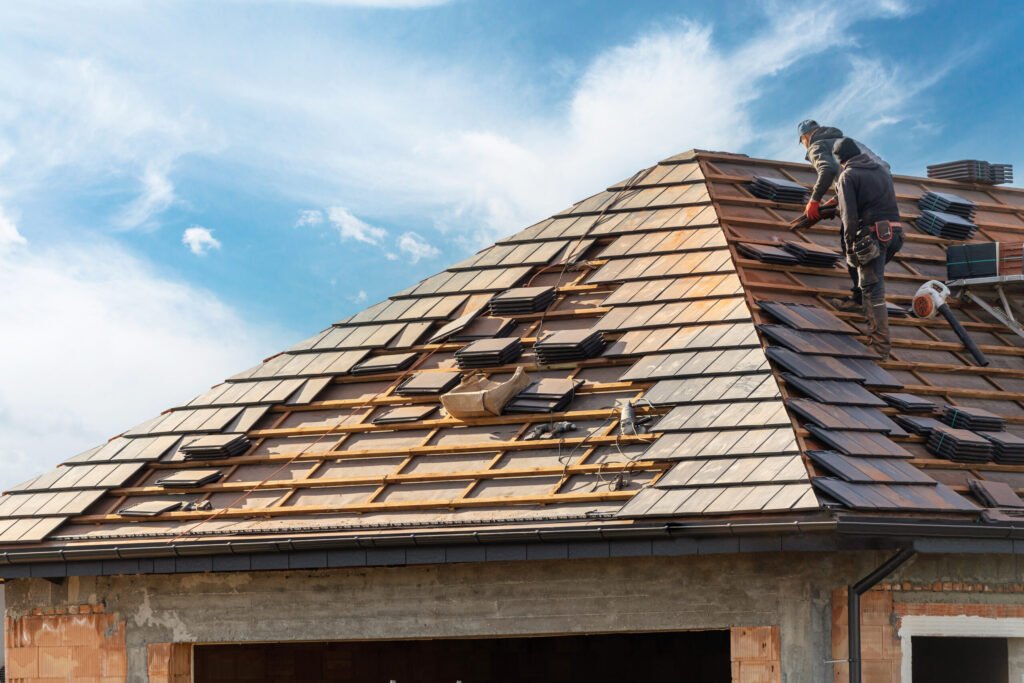
Introduction Owning a home is a significant investment, and one of the most critical components that requires regular attention is the roof. As a homeowner, you’ll eventually face the decision of when to replace your roof. Timing this project can be tricky, as various factors come into play, including weather conditions, contractor availability, and budgetary considerations. In this article, we’ll explore the best seasons for roof replacement and provide you with the insights you need to make an informed decision for your home. Importance of Roof Replacement Your roof is the first line of defense against the elements, protecting your home and its contents from the harsh effects of weather. Over time, roofing materials can degrade, leading to leaks, damage, and even structural issues. Neglecting roof maintenance can result in costly repairs and, in some cases, the need for a complete roof replacement. Replacing your roof is a significant investment, typically costing between $6,000 to $13,000, depending on the size of your home, the roofing materials used, and your location. However, this investment can pay dividends in the long run, as a well-maintained roof can last for decades and improve the overall energy efficiency of your home. Factors to Consider When Choosing the Best Season When it comes to roof replacement, the timing of the project can have a significant impact on the overall process and outcome. Let’s explore the key factors to consider when determining the optimal season for your roof replacement: Weather Conditions The weather is arguably the most critical factor in determining the best time of year for a roof replacement. Extreme temperatures, precipitation, and other weather events can all impact the installation process and the durability of the new roofing materials. Winter While winter may seem like an unlikely time for a roof replacement, it can actually be a viable option in some regions. The cooler temperatures can be advantageous, as they can prevent the roofing materials from becoming too soft and pliable, making them easier to work with. However, the potential for snow, ice, and freezing temperatures can also pose significant challenges, potentially delaying the project or causing damage to the new roofing materials. Spring Spring is often considered the second-best season for roof replacement, as the weather is generally milder and more stable than in the winter. The cooler temperatures and lower humidity levels can create favorable conditions for the installation process, allowing for a more efficient and effective project. However, the potential for rainy weather during the spring months can also present some challenges, potentially causing delays and requiring additional precautions to protect the new roofing materials. Summer Summer is a popular choice for roof replacement, as the warm, dry weather can be ideal for the installation process. The heat can help activate the adhesive properties of the roofing materials, ensuring a secure and durable installation. However, the intense heat and humidity of the summer months can also create challenges, as the roofing materials may become more susceptible to damage and the workers may require more frequent breaks to avoid heat-related illnesses. Fall Many experts consider fall to be the best season for roof replacement. The mild temperatures and consistent weather patterns during this time of year can create the ideal conditions for a successful and efficient project. The cooler temperatures can also help the roofing materials to seal and adhere properly, ensuring a long-lasting and weather-resistant roof. However, the high demand for roofing services during the fall can make it more challenging to secure a spot on a contractor’s schedule. Contractor Availability The availability of qualified roofing contractors can also play a significant role in determining the best time of year for your roof replacement. During the peak seasons, such as spring and fall, roofing companies may be inundated with requests, making it more challenging to schedule your project in a timely manner. Conversely, the slower seasons, like winter, may offer more flexibility and potentially lower prices, as contractors are eager to keep their crews busy. Budget Considerations The cost of a roof replacement can vary depending on the time of year you choose to undertake the project. During the peak seasons, when demand is high, roofing contractors may charge a premium for their services. In contrast, the slower seasons, such as winter, may offer more competitive pricing as contractors aim to keep their crews working and maintain a steady flow of business. Comparing Seasonal Pros and Cons To help you make an informed decision, let’s take a closer look at the pros and cons of each season for roof replacement: Winter Pros: Cons: Spring Pros: Cons: Summer Pros: Cons: Fall Pros: Cons: Choosing the Right Roofing Contractor Regardless of the season you choose for your roof replacement, selecting the right roofing contractor is crucial to the success of your project. Look for a reputable, experienced contractor who is licensed, insured, and has a track record of delivering high-quality work. When evaluating potential contractors, consider factors such as their warranty offerings, the materials they use, and their communication style. It’s also a good idea to request references from past clients and to thoroughly review their portfolio of previous projects. Preparing for Your Roof Replacement Once you’ve selected the optimal season and a qualified roofing contractor, it’s time to prepare for the roof replacement process. This may involve: By taking these steps, you can help ensure a smooth and efficient roof replacement project, regardless of the time of year. Conclusion Replacing your roof is a significant investment, and timing the project correctly can make a significant difference in the overall process and outcome. By considering factors such as weather conditions, contractor availability, and budgetary constraints, you can determine the best season for your roof replacement and work with a qualified roofing contractor to ensure a successful and long-lasting outcome. At Great West Ent., we are committed to providing our clients with the highest quality roofing services, no matter the time of year. Contact us today to schedule a consultation and learn more